
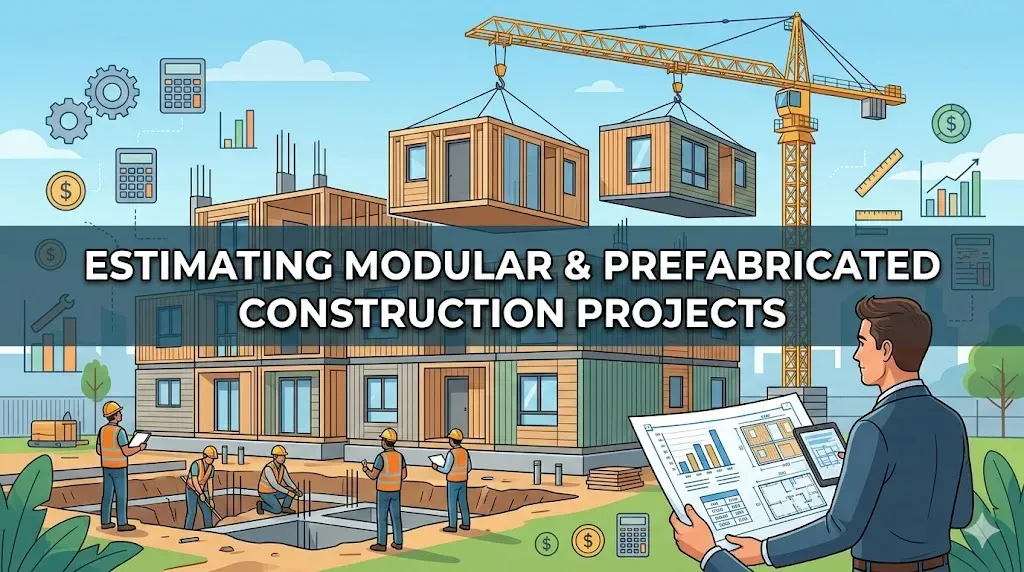
It is better to get an expert modular and prefabricated construction estimator for improved results under budget. In the United States, there is a high demand for faster project delivery, improved quality control, and reduced labor demands. According to the reports, developers and contractors are now using these methods. But they face one of the most important challenges, which is accurate project estimation. Well, estimating old-style buildings is different. Modular estimation required a different mindset and workflows. Plus, one needs to understand the specific cost drivers.
In this modern world, modular construction cost estimation is the need of the hour. People want quick fixes and the construction of their buildings under budget. They do not have time to leave their jobs and invest time in the construction process for months. That is why they outsource such requirements to prevent over–budgeting.
MODULAR AND PREFABRICATED CONSTRUCTION ESTIMATING MUST BE ACCURATE TO REDUCE WRONG DECISIONS AND WASTE MONEY!
Understanding the Modular Construction Process
Before starting the estimation process, it is important to understand how modular and prefabricated construction are different from conventional construction. The major features are:
- Modules are produced off‑site in a controlled factory environment
- Construction activities for site prep and module fabrication occur simultaneously
- Deliveries and crane‑set activities must be planned with precision
- Project schedules are shorter, requiring earlier procurement decisions
- Design changes late in the process are more costly than in traditional builds
Here, you also need to understand one more concept. Some people confuse modular and prefabrication. However, the major difference between modular and prefabricated is that:
- Modular components are almost fully completed when they arrive on the site
- Prefab needs more work to assemble on the site
Major Cost Components in both projects!
Estimating for modular construction involves different cost categories. Each one of them is different than the old projects.
1. Module Fabrication Costs
Module fabrication represents a large portion of the total cost and includes:
- Structural framing
- MEP rough‑ins and finishes within the modules
- Factory labor costs
- Factory overhead
- Specialized materials designed for transport
- Quality‑control inspections
The majority of the building components are completed before delivery. However, factory‑based costs are more predictable than field costs
2. Transportation Costs
This cost category is unique. This category can increase the overall cost. If the location is far or it has difficult routes, then it will cost you more.
Important factors include:
- Distance from factory to site
- Escort vehicles and DOT permits
- Transport scheduling
- Insurance during transport
- Staging areas and storage needs
3. On‑Site Assembly and Installation
Even though modules arrive largely complete. But it requires special equipment to set them on site. Keep in mind that the weather can affect overall expenses because it makes the situation difficult.
Typical considerations include:
- Crane rental (often a major cost driver)
- Crane operator and rigging fees
- Staging and temporary works
- Site labor for module stitching
- On‑site MEP connections
- Exterior and interior finish tie‑ins
4. Site Preparation and Foundations
Modular buildings require accurate foundations. For this reason, experienced prefabricated building estimating must account for:
- Surveys
- Excavation and grading
- Concrete foundations or podiums
- Utility connections
- Drainage systems
5. Soft Costs and Regulatory Requirements
- Modular‑specific architectural and engineering fees
- Factory submittals and shop drawings
- State modular reviews (for example, state‑approved modular programs)
- Local permitting
- Construction management fees
Key Factors That Influence Cost Variability
1. Degree of Modularization
Buildings can combine modular components at different levels.
It includes:
- Fully volumetric modules
- Partially volumetric or “hybrid” systems
- Panelized assemblies
- Prefabricated MEP racks
2. Standardization vs. Customization
Customization always increases the overall expense due to Material costs and Design coordination requirements.
Early alignment between clients and design teams helps define the acceptable level of customization.
3. Labor Market Conditions
Modular construction reduces the need for labor at the project location. However, local labor markets still increase on‑site finishing, foundation work, etc.
In case of labor shortages, modular delivery can provide greater economic benefits.
4. Factory Capacity
Due to high workload and custom project requirements, it directly affects the production schedules and pricing.
Steps for Building an Accurate Modular Construction Estimate
Step 1: Early design finalization
Keep in mind that Modular projects require early design finalization. Estimators should focus on early design phase discussions and work with factory engineers closely to prevent mistakes. This guarantees accurate assumptions.
Step 2: Develop a Detailed Takeoff
By relying on the Best Construction Estimating Services, you can get accurate quantities of required project elements. This takeoff process will lead you to accurate cost estimates. It includes materials, finishes, etc.
Step 3: Obtain Factory Pricing Early
Factories work differently from contractors, so get an early price from them. You must have the following information:
- Module fabrication cost per unit
- Optional upgrades
- Transport cost estimates
- Shop drawing and engineering fees
- Lead time obligations
Step 4: Create a Set Plan
Transportation is highly specialized and must be included in the estimate. You must have information regarding the route, crane type, etc. If you ignore such factors, then it can lead to budget overruns.
Step 5: Evaluate Savings
Modular construction shortens project timelines by 30% to 50%. However, potential schedule‑related savings include:
- Reduced general conditions
- Faster revenue generation or occupancy
- Lower financing costs
- Fewer weather delays
Conclusion
Modular and prefabricated construction estimating projects in the United States require shifting from old workflows. Estimators who understand the modular process, they can easily plan the projects. Plus, complete the projects with highly accurate budgets.