
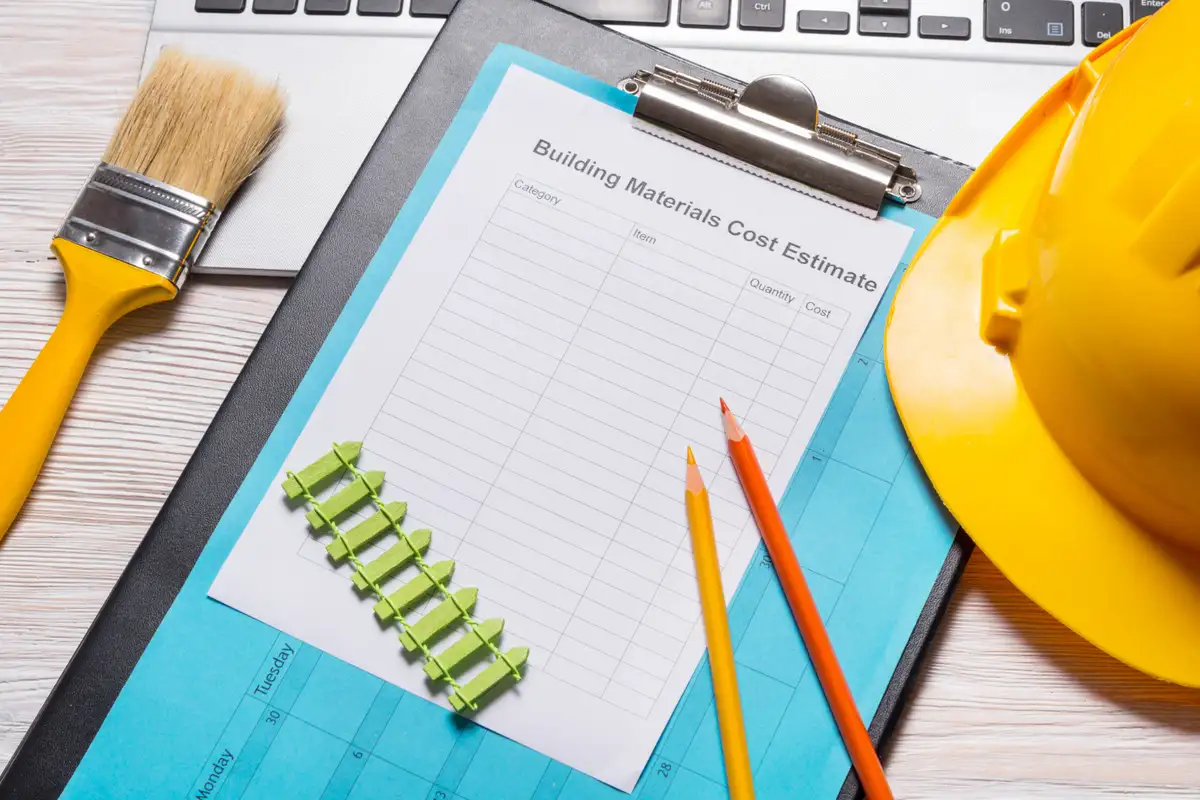
This guide provides a construction estimating checklist, which is important for contractors to understand. This year, the challenges of rising material costs and labor shortages emphasize the need to generate accurate estimates. A single mistake in the calculation results in a significant loss. So, contractors must be careful in implementing every step. Otherwise, over-budgeting and delays can derail the whole project.
If you are new to this industry, it is better to get professional help. For that, expert Construction Cost Estimating Services are recommended. This way, you will not have to worry about the expenses and other things. Accurate estimates are the most important thing that should never be compromised.
CONTRACTORS MUST PREPARE A DETAILED CONSTRUCTION ESTIMATING CHECKLIST AND COMPLETE EVERY STEP CAREFULLY!
Note down the construction estimating checklist!
1. Pre-Estimate Preparation
First of all, start the review of the project specs and other details. This includes:
- architectural drawings
- structural plans
- MEP specifications
- site surveys
Modifications
Do not miss any plan or sheet. Otherwise, you will not have full information about the project. Moreover, do not neglect the site visits. This will clear your mind regarding the condition of the site.
2. Material Takeoff and Quantification
Accurate material takeoff is the backbone of accurate estimates. Experts follow CSI MasterFormat divisions. That is why experts prepare a construction estimating template in an organized way. The best way is to use digital takeoff software because it measures directly from the project plans. Errors are reduced, and a lot of time is saved!
However, it is also important to consider the waste factors of all materials.
3. Labor Cost Estimation
Labor is one of the largest factors in construction estimates. So, it is important to consider the right size for every task. Do not forget to evaluate the labor estimates according to the skill levels. One of the best methods is to review past projects and then judge the labor requirements. The second best thing is to hire experts for Material Takeoff Services and achieve the right number of laborers.
However, several contractors use productivity tracking software that provides precise rates. Other than basic wages, you must also include the taxes, insurance, etc.
4. Equipment and Tool Costs
Equipment expenses also affect the profits of the project. If your construction estimating process lacks this, then you can never complete the project without errors.
List down all the required equipment:
- excavators
- cranes
- lifts
- concrete pumps
- generators
- scaffolding
If you have your own equipment, then include maintenance and insurance costs in the estimates.
Other than that, add fuel cost and other expenses. Do not forget to include small tools.
5. Subcontractor and Supplier Pricing
To manage subcontractor quotes, you have to be very careful to consider every detail. However, the best thing is to request bids from at least three qualified subcontractors for each trade. The number can be more than this. After that, analyze every quote carefully.
Make sure that it includes all work according to their trade:
- addresses specification requirements
- covers mobilization
- cleanup
- warranty obligations.
Plus, confirm that subcontractors have current licenses.
6. Indirect Costs and Project Overhead
Commonly, overheads are always neglected, which affects the profitability. It is important to consider expenses for project managers, superintendents, etc.
Include the following overheads:
- utility connection fees
- monthly service charges
- builders risk insurance
- liability add-ons
- required permits
- inspection fees
- utility connection charges
- impact fees
- safety equipment
- training
- weekly toolbox talks
7. Contingency and Risk Management
Every estimate needs to include extra budget to deal with unexpected situations. A well-developed estimate always includes an extra amount for contingency. Don’t confuse contingency with profit because they are different.
It is better to create a list of risk factors, such as:
- adverse weather
- labor shortages
- supply chain disruptions
- design changes
- unforeseen site conditions
8. Markup and Profit
A reliable Construction Estimating Firm evaluates everything carefully and then implements the final step. The markup must recover general company overhead:
- office rent
- administrative salaries
- vehicles
- insurance
- marketing
- technology
- professional services
Profit margin must consider project risk and market competition. Currently, construction profit margins range from 5 to 15%. This range is different according to the type of the project.
Keep in mind that to create a good relationship with a new client, you may have to keep lower profit margins.
9. Final Review
Before submitting your proposal, you must review all the steps carefully. It is better to get it double-checked by a senior estimator. You can use multiple calculation methods to prevent errors. Confirm everything from labor rates to material prices.
Review your estimate according to your Construction Estimating Checklist. You must include everything. Do not miss even a single thing. It is better to compare your estimates to similar past projects using different methods. The best thing that works here is the experience. It helps to judge right according to the project requirement.
Final Words
The Construction Estimating Checklist is the right thing to prepare and check before submitting estimates to your clients. The most important thing is to keep the data of your past projects on record. Plus, it is better to conduct detailed project reviews to see which areas need improvement. However, get estimating training for your team. Stay informed about market trends and construction methods.